Reliable Janitorial Services Brampton
Your facility requires consistent cleaning schedules tailored to specific risks, daily throughput, food allergens, and regulatory visits, with auditable records confirming food safety measures, compliance audits, and health department standards. The information following provide details about essential cleaning protocols.
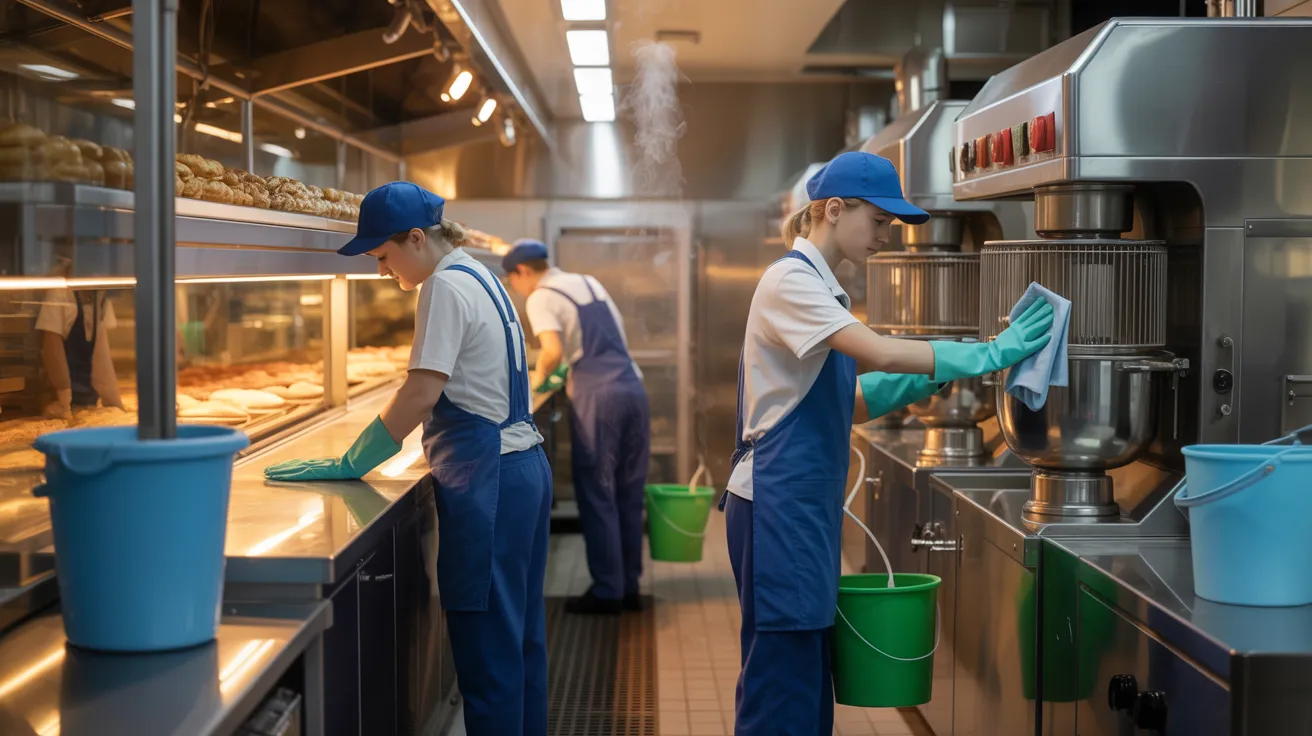
Key Takeaways
- Food safety cleaning specialists from Brampton support restaurants, grocery departments, commissaries, warehouses, bakeries, schools, mobile vendors, and allergen-sensitive operations.
- They sanitize frequently contacted areas, food-contact equipment, kitchens, floors, drains, restrooms, and storage areas using zone-based workflows to avoid cross-contamination.
- Approved specialists confirm approved sanitizer dilution, compatibility, and contact time, then file completion with checks, audits, and corrective-action records.
- Risk, output capacity, switches, spills, and regulations ought to shape hygiene timelines, with everyday, recurring, and annual tasks designated by section.
- Providers ought to demonstrate HACCP, sanitation expertise, safety training training, coverage, references, color-categorized instruments, and inspection-ready cleaning paperwork.
Food Safety Cleaning Requirements for Brampton Facilities
You must adhere to food safety cleaning if your establishment is regulated by public health inspection, food premises regulations, or internal HACCP-based controls. This covers eateries, dining areas, supply warehouses, retail departments, meat counters, fish departments, general stores, and facility-based kitchens.
You also need documented food sanitation in warehouses, food manufacturing plants, cold storage sites, retail bakeries, school nutrition programs, banquet halls, and meal delivery hubs. Temporary and mobile establishments count too, including catering trucks, festival vendors, and pop-up food booths. If your staff handle ingredients, section prepared foods, heat finished items, or keep allergens stored, your facility needs documented cleaning protocols. In Brampton, hygiene isn't optional; it's part of regulatory, business, and safety compliance.
Which Areas Do Brampton Cleaning Experts Cover?
You require experienced cleaning professionals who disinfect high-touch surfaces, kitchen spaces, flooring, and restroom facilities to ensure compliance with food safety and health standards. These areas are targeted due to their high cross-contamination potential, falling hazards, and regulatory breaches.
Knowing their service areas enables you to validate your operation's sanitation satisfies required standards and regulations.
Prioritizing High-Touch Surface Cleaning
determine how periodically each surface is sanitized
swapping cleaning materials frequently, implementing one-way workflows, and segregating cleaning tools according to area. This approach keeps your sanitizing program documented, justified, and ready for inspection always.
Cooking Zones, Walking Surfaces, and Restroom Environments
Brampton act now cleaning professionals will handle kitchens, floors, and restrooms since each space presents different food safety concerns, slip-and-fall, and community health challenges. In industrial kitchens, you need degreasing on cook lines, equipment exteriors, drains, prep surfaces, and splash zones to minimize contamination and pest pressure.
You should also expect documented floor care. is also provided as part of the service.
Restroom sanitation involves sanitizing surfaces, fittings, separators, dispensers, and containers, restocking supplies and controlling odours. They also maintain restaurant cleaning supply rooms where product storage, sink cleanliness, and drain systems impact daily sanitation standards and worker protection.
The Importance of Food Safety Cleaning in Brampton
Brampton facilities require food-safe cleaning standards to fulfill compliance obligations and pass audits. You also reduce cross-contamination by cleaning and sanitizing food-contact surfaces, equipment, and high-touch areas correctly. Most importantly, you help protect public health by lowering the risk of foodborne illness in your facility.
Regulatory Code Requirements
Brampton food establishments must comply with stringent health requirements, so cleaning procedures is essential to meeting health codes, protecting customers, and preventing penalties. You must maintain clean food preparation areas, recorded sanitation plans, correct sanitizer application, and traceable training practices that correspond to municipal and provincial inspection expectations.
Thorough sanitation documentation enable you to show due diligence during compliance reviews and confirm your operations remain consistent, consistent, and monitored. Effective sanitation further enables allergen control by decreasing residue on shared equipment and high-touch areas.
Cross-Contamination Prevention
Meeting health code standards also depends on your capacity to stop cross-contamination during routine food preparation and sanitation. You must separate raw ingredients from ready-to-eat foods, sanitize prep surfaces between tasks, and keep cleaning products separate from food areas. Established guidelines minimize contamination chances and support consistent compliance during inspections.
Implementing allergen segregation helps keep priority allergens from contacting shared surfaces, containers, or equipment. Utilize separate boards, color-labeled items, and strict utensil labeling so staff don't mix items while preparing or distributing. Require handwashing after handling fresh proteins, aquatic items, egg products, or allergen materials. Refresh cleaning cloths often, and validate disinfectant levels using test strips. When you train staff to follow these controls per shift, you establish a more hygienic, safer workplace that satisfies Brampton's food safety needs regularly.
Public Wellness Defense
When food safety cleaning weaken, you don't only face inspection setbacks—you expand the chance of foodborne illness affecting customers, staff, and the larger Brampton community. You also weaken your role in safeguarding community wellness, especially in high-traffic food premises where contamination can spread quickly through surfaces, equipment, and touchpoints.
You must establish sanitation protocols that eliminate soils, disinfect correctly, and confirm effectiveness. This involves adhering to exposure times, employing authorized sanitizers, documenting procedures, and training employees to meet regulatory standards. These mechanisms support pathogen reduction by decreasing microbes before contaminating food or surfaces. Across Brampton, strong cleaning protects at-risk populations, reduces disease potential, and shows your diligence. When you follow standards, you go beyond requirements—you meaningfully reduce risk and facilitate secure food handling throughout the area.
How Does Cleaning Support Food Safety Compliance?
Establishing strict sanitation practices enhances food safety compliance by reducing contamination risks, controlling pathogen growth, and keeping your facility aligned with sanitation requirements under HACCP-based programs and public health regulations. You validate that contact surfaces are visibly clean and microbiologically controlled, facilitating documented preventive controls and inspection readiness.
Cleaning strategies additionally upgrade allergen control by extracting residues that can cause undeclared allergen exposure.
When Should You Schedule Commercial Cleaning?
Establish cleaning plans based on risk, production volume, and regulatory requirements instead of relying solely on a predetermined calendar. You should schedule routine cleaning on a daily basis
Facilities [[hosting promotions, catering, or public functions
What Should You Look For in Brampton Cleaning Experts?
Start by screening providers against food-safe sanitation requirements, not price alone. You should verify that each company understands CFIA, public health, and HACCP compliance standards relevant to your facility. Ask for proof of insurance, WHMIS compliance, documented staff training, and supervision practices. Review whether technicians understand cross-contamination risks, chemical handling, and traceable sanitation records.
You must also evaluate business consistency and accountability. Seek references from food facilities in Brampton, then assess response times, corrective-action procedures, and communication standards. Ensure the company supports supplier audits and can provide inspection-ready documentation when authorities or third parties demand verification. Verify equipment is maintained, colour-coded tools are deployed correctly, and operational-specific risks are understood. A reputable service safeguards compliance, product safety, and your brand reputation.
What's covered in a sanitation cleaning strategy?
Create a written plan that clearly outlines every sanitation task, standard, and responsibility prior to beginning production. You should list cleaning schedules, authorized products, mixing ratios, exposure periods, equipment, and testing procedures for each zone, surface, and piece of equipment. Don't forget to add pre-operational inspections, corrective actions, and employee training requirements.
Your strategy should also focus on cross-contamination controls, waste handling, pest-prevention measures, and documented schedules for restrooms, drains, floors, and food-contact areas. Describe how you'll keep raw and ready-to-eat processes separate, support ingredient tracking, and ensure accurate allergen labeling through validated cleaning between product changes. You should assign accountability, keep signed records, and review results against regulatory standards, HACCP controls, and customer requirements. When gaps appear, update procedures immediately and instruct staff.
Frequently Posed Questions about the Plan
Can sanitation providers accommodate overnight shifts in Brampton facilities?
If you manage controlled environments, you'll also need documentation that enable inspections and ensure compliance.
Are emergency spill response services available from sanitation professionals?
Yes, you can expect many Brampton cleaning experts to provide hazard containment services. They manage hazardous materials, assess risks, isolate affected areas, and start rapid decontamination to minimize risk and business interruption. You should confirm their response times, training certifications, PPE protocols, and disposal procedures. If your facility must comply with industry standards, choose a provider that records events, maintains regulatory procedures, and supports audit readiness.
Are green disinfectants secure for food-handling equipment?
Definitely, plant-based sanitizers operate safely on food-handling equipment if you buy disinfectants approved for food contact that adhere to regulatory requirements. You ought to validate contact times, mixing proportions, and rinse procedures ahead of deployment. Natural-based solutions reduce chemical hazards, but you require proof of efficacy against relevant pathogens. To ensure residue free surfaces, implement manufacturer directions precisely and confirm your cleaning agent adheres to relevant food safety standards.
Can maintenance plans adjust with production fluctuations?
Absolutely, sanitation programs can be customized for production fluctuations. Adjust schedules, staff levels, cleaning agents, and testing procedures to correspond to production rhythms while upholding regulatory compliance. Lower operational delays through planning disinfection amid line changes, maximum output, and usage patterns. Also revise procedural documents, staff education, and environmental monitoring to address transient threats, emerging allergens, or higher contamination levels. Continuous reviews ensure the plan current.
Will commercial cleaners train employees on hygiene best practices?
Indeed, professional cleaners often offer staff training on proper hygiene. Your staff receives training on proper chemical use, exposure durations, preventing cross-contamination, equipment disassembly, and documentation. They typically follow instruction with HACCP, GMP, and CFIA or regional health standards requirements. Many perform compliance inspections to verify compliance, reveal issues, and strengthen improvement measures. This assists you to establish reliable processes, pass inspections, and reduce food safety risks each day.
Summary
When you partner with Brampton food safety and commercial cleaning specialists, you aren't merely cleaning—you maintain your facility audit-prepared and your standards compliant. From processing areas to kitchen spaces, every polished surface and maintained area minimizes unwelcome guests and avoid expensive problems. By scheduling service at the proper frequency and adhering to a detailed cleaning schedule, you safeguard employees, patrons, and your brand image. In a strict regulatory setting, sanitary conditions are essential—they're part of doing business right.